About This Experience
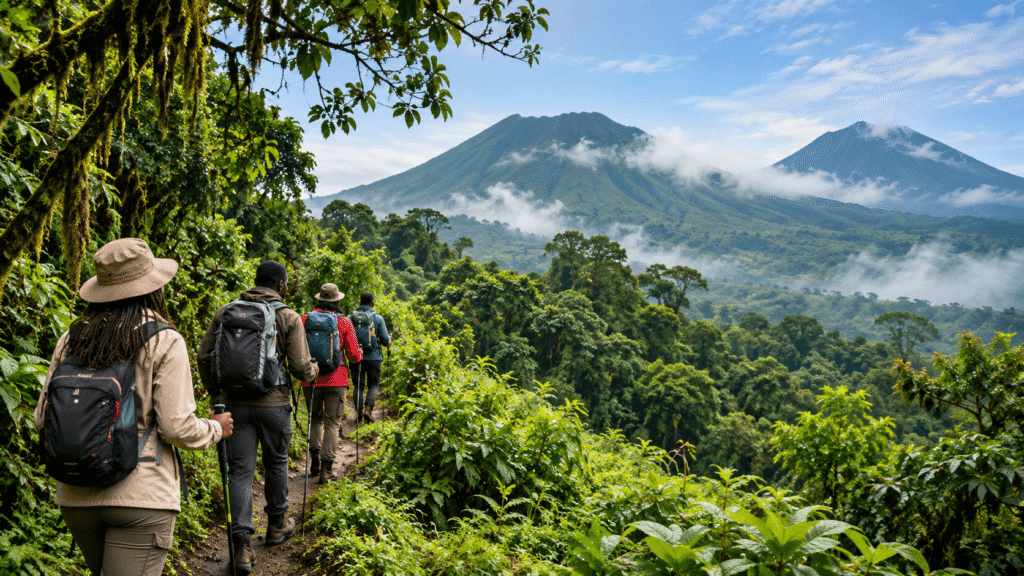
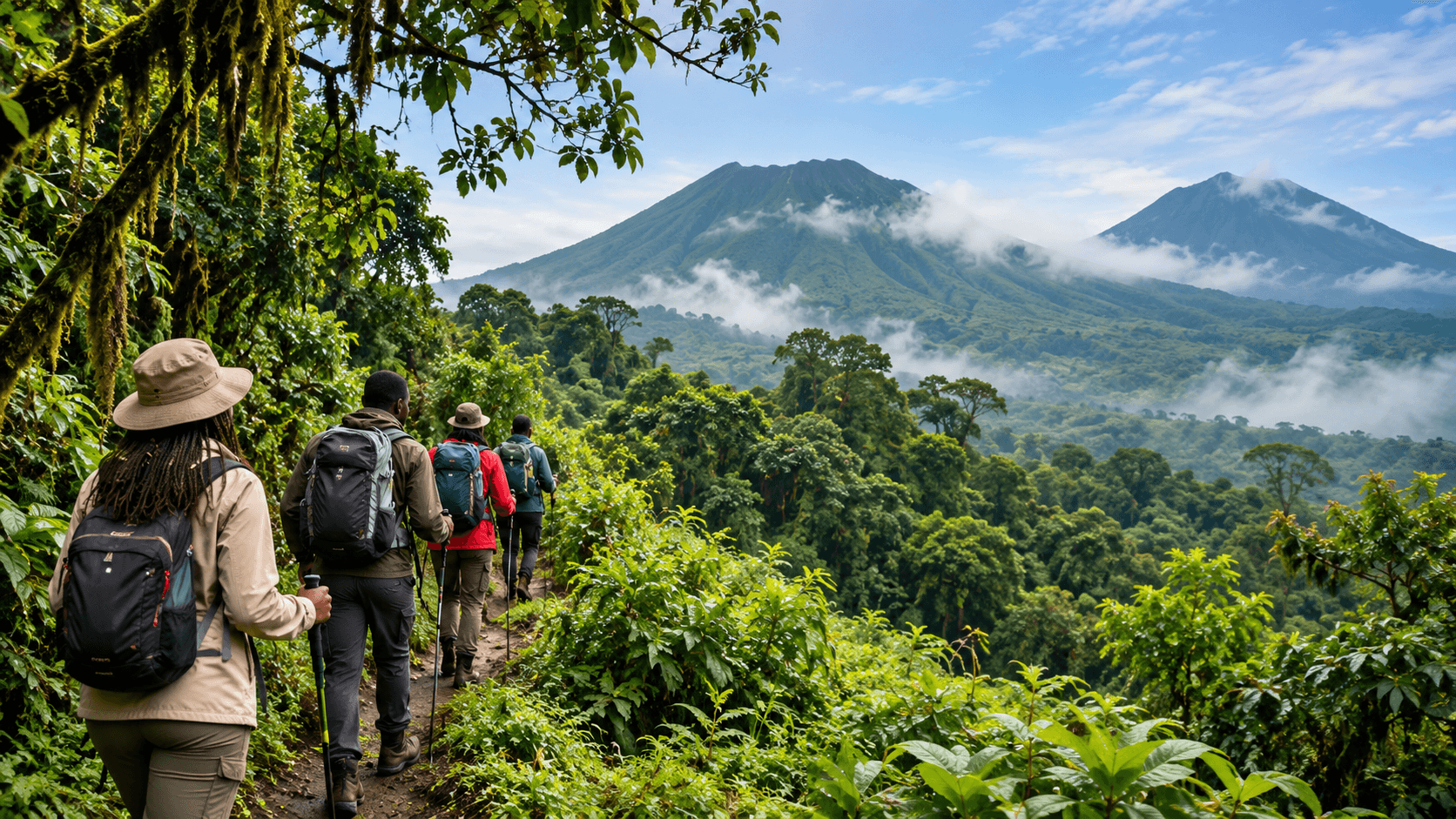
Bird Watching in Rwanda takes place around a range of habitats from Akagera wetlands to Nyungwe rainforest and the northern highlands. Before choosing a date, it helps to understand the terrain, the booking rules and the experience itself. We recommend realistic early starts and enough time in each habitat to avoid constantly moving the vehicle. Our suggestions describe how to prepare, not a promise of a sighting or an exact activity duration.
The experience in context
What a typical outing involves
Birdwatching in Rwanda is rewarding because habitats change quickly across relatively short distances. Wetland species, forest birds and highland specialists call for different locations and a guide who understands seasonal patterns.
Your day will depend on the official meeting location, the guide’s instructions and conditions on the ground. The most rewarding approach is to arrive ready for what the place offers rather than expecting a scripted encounter. Timing, weather and other visitors can all affect the pace.
Why this experience belongs on a Rwanda itinerary
We recommend realistic early starts and enough time in each habitat to avoid constantly moving the vehicle.
We encourage travelers to consider the surrounding destination as part of the experience. A day on a lake, in a forest or among cultural sites becomes more meaningful when you know where you are, why it matters and how the local environment is cared for.
Preparation and practical requirements
Booking, timing and equipment
Select a route around target habitats, not just a list of species. Bring binoculars, muted clothing and patience; good birding often means stopping for calls and waiting quietly.
Typical time commitment: Half-day, full-day or multi-day. Age and ability: Flexible to traveler interests and stamina. These are planning notes rather than guarantees; obtain the current requirements from the park or provider for your actual travel date.
Permits and access for Bird Watching in Rwanda
Entry fees vary by protected area and activity.
When requesting a quotation, ask whether the listed price covers guiding, entry, transport, equipment and applicable government charges. A tour name alone does not tell you what is included. Keep written receipts or confirmations of permits and advance bookings.
How to build the day well
Allow time before departure for breakfast, a transfer and the briefing where one is required. After an active outing, avoid scheduling another ambitious experience unless the provider confirms it is practical. A quieter afternoon can be useful after forest trekking or a strenuous hike.
For camera equipment, prioritize safe handling over elaborate gear. Carry only what you can comfortably manage, respect restrictions on flash or drones, and follow the guide when wildlife or other visitors are nearby. Some moments are better appreciated without a camera.
Planning Bird Watching in Rwanda responsibly
Before choosing a provider, request the current meeting-point instructions, a clear statement of what the quoted fee includes and guidance on the level of physical effort involved. If you are traveling with a child, an older relative or someone who finds steep terrain difficult, discuss that before paying. Two activities with similar names can differ considerably in walking distance and available facilities.
It is also worth asking how the group size affects the visit, whether a private guide is available, and what the operator will do if rain or a delayed transfer changes the schedule. Small practical details often decide whether the day feels comfortable.
Responsible and respectful participation
Park rules protect both people and natural habitats. Keep the required distance from animals, stay with the authorized group, and never feed wildlife. On community visits, ask before taking portraits and treat local hosts as people sharing their home and knowledge, not as part of a performance staged for a photograph.
If you feel unwell, are uncertain about the physical demands, or have a mobility concern, disclose it before the activity. A reputable guide can explain realistic options; the best choice may be a different outing that is more comfortable and enjoyable.
Choose a habitat, not a bird checklist
Akagera’s wetlands and Nyungwe’s forest do not offer the same species or viewing conditions. Ask a specialist guide which habitats fit your targets and travel dates. The best birding mornings usually begin slowly, with time to listen and watch, so avoid packing too many distant stops into the same outing.
For anyone comparing options for Bird Watching in Rwanda, it helps to keep the proposed date, transport arrangements and confirmed inclusions together. An itinerary is most useful when the next decision is clear, whether that means reserving a permit, choosing the right overnight base or checking a provider’s current terms.
Continue planning your trip
To see how this subject fits a wider journey, start with a related Visit Rwanda guide. You can then explore another relevant route or experience to compare locations, timing and the experiences that interest you. Both links take you to further information on this website, rather than assuming that every activity belongs in every itinerary.
For permit-controlled activities, verify eligibility, fees and dates at the Rwanda Development Board booking portal. Changes to fees or conditions should be checked against that source, not assumed from an older itinerary.
Frequently asked questions
Is advance booking necessary?
For permit-controlled and specialist-guided activities, advance booking is strongly advised and sometimes mandatory. Even for flexible activities, confirm the location, operating days, departure time and cancellation terms before setting out.
What if weather affects Bird Watching in Rwanda?
Rain and changing conditions are normal in several of Rwanda’s landscapes. The local operator or park authority decides whether an outing can safely proceed. Ask how rebooking or refunds work before payment; never assume all activities have the same policy.
What to Expect
Birdwatching in Rwanda is rewarding because habitats change quickly across relatively short distances. Wetland species, forest birds and highland specialists call for different locations and a guide who understands seasonal patterns.
Preparation & What to Bring
Select a route around target habitats, not just a list of species. Bring binoculars, muted clothing and patience; good birding often means stopping for calls and waiting quietly.
Permits & Booking Requirements
Entry fees vary by protected area and activity.
Costs & Additional Information
Confirm the exact permit, guiding, transport and other charges before booking. Prices vary by provider and date.
Make This Part of Your Safari
Combine this activity with other experiences and create a Rwanda itinerary that fits your travel style.
Explore Rwanda safari packages ↗